Terminus Day Zero Surviving Daisy’s Neighborhood
How yards, fences, and top-down street reading turn local knowledge into Daisy’s only outdoor advantage.
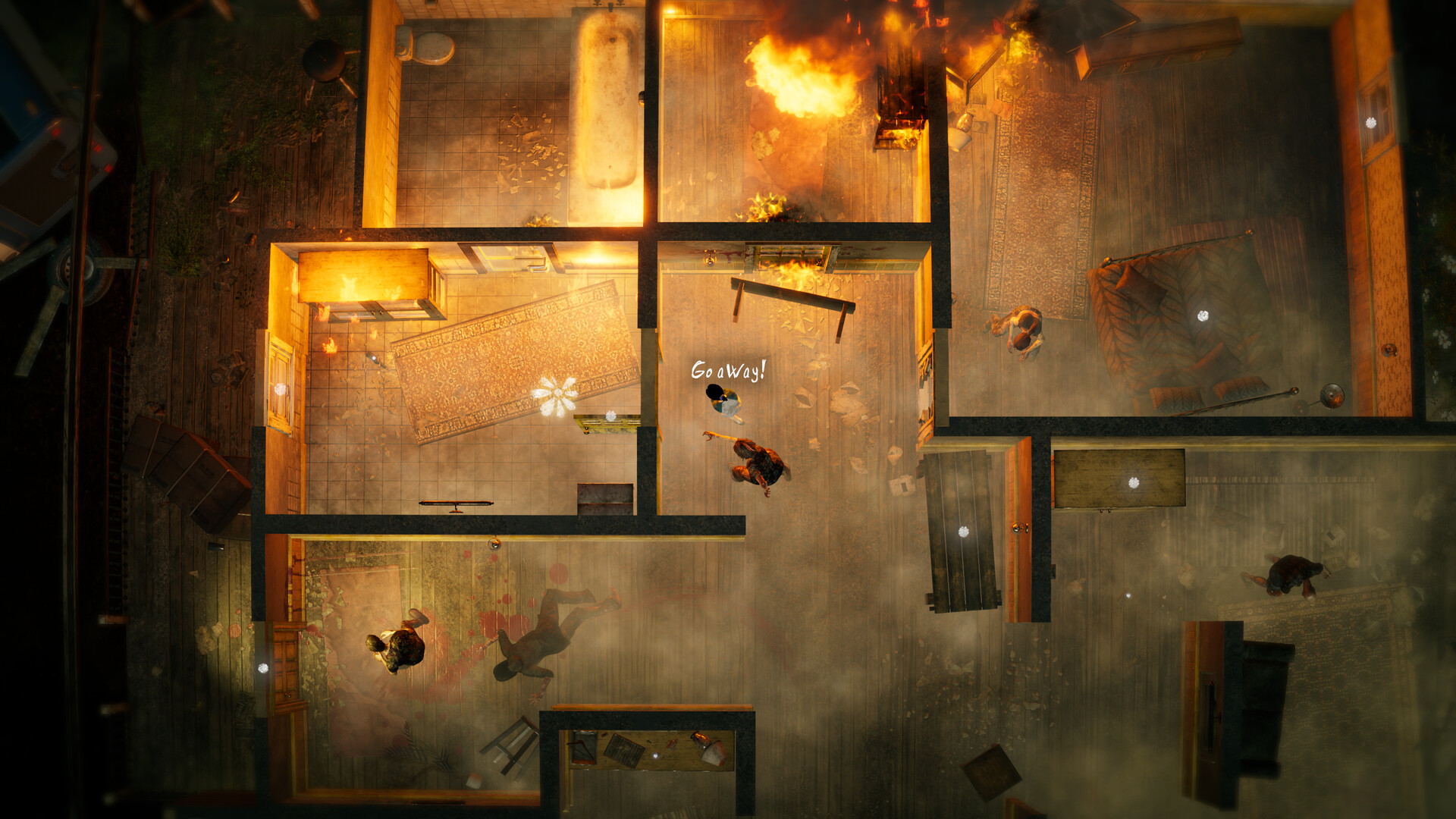
When Terminus: Day Zero pushes Daisy out of the house, the fantasy does not suddenly become a combat arena. The neighborhood phase is the same hide-door-run thesis written in fog, fences, and yards. This guide stays light on ending spoilers and focuses on how to read the street so the exterior feels like Daisy’s home turf instead of a random death maze.
What the neighborhood phase is for
Indoors, beds and doors buy seconds. Outdoors, line-of-sight breaks and childhood shortcuts buy the same seconds. Studio and store copy lean hard on the idea that Daisy knows every yard and fence better than anything chasing her. Your job is to play that sentence literally: prefer familiar gaps, side routes, and cover furniture over brave center-street sprints.
If you are still learning the verbs, finish How to Hide before you treat this page as a speed route. For beat order with heavier sequence spoilers, use the Walkthrough.
When to leave the house
Leaving too early wastes the quiet orientation that teaches hides. Leaving too late turns a designed escalation into soft-loop frustration. Practical signals that the interior is done:
- Multiple rooms feel contested at once and your best hides are already compromised.
- You are repeating the same hallway without new information.
- Story pressure and Daisy’s own urgency push toward the exterior instead of another cupboard search.
- You already mapped an exit vector during the calm minutes from Getting Started.
Running outside is not a fail state. It is the late-game kit. Save before a hard commit if you want a clean retry—Steam lists Save Anytime among comfort features explained on Controls.
Reading the street from top-down
Top-down cameras flatten height but exaggerate silhouette and fog. Train your eyes for:
- Open asphalt vs edged cover. Center sidewalks and road middles are exposure. Edges, parked cars, hedges, and yard mouths are filters.
- Fence lines as corridors. A fence is not only a wall; it is a route that channels both Daisy and threats. Scout which side offers a gap before you commit to a long run.
- Yard furniture as indoor doors. Sheds, corners, and porch geometry break vision the way shut doors did inside. Use them, then keep moving—do not camp a single bush forever.
- Wrong neighbors as pacing, not DPS checks. Silhouettes that used to be friendly are pressure objects. Your answer is pathing, not aggro management.
Yards and fences as Daisy’s advantage
Think like a kid who grew up on the block:
- Which gate sticks?
- Which hedge has a crawl everyone forgets?
- Which backyard connects to the next without crossing the brightest street lamp of fog?
Those questions are the mechanical thesis. Players who import open-world zombie habits—sprint down the middle, kite in circles, hunt loot piles—bleed time and composure. Players who chain yard → fence gap → yard rebuild the same staged retreat they used indoors.
Pair outdoor routing with the pacing habits in Tips: headphones on, effects above music, deliberate saves, and a planned exit instead of panic mash.
Audio outdoors
Exterior audio is easier to misread on laptop speakers because distance cues smear. Headphones help you hear which side of a fence is noisy before you peek. Raise effects with custom volume controls if music swells during foggy crossings. Stereo placement is not flavor—it is early warning for a turn you should not take yet.
If camera motion makes you miss a gap interact, enable camera comfort before the neighborhood push rather than mid-chase. Input clarity beats max fog settings on minimum GPUs from System Requirements.
Common outdoor failure patterns
- Sidewalk bravado: Crossing open street center “to save time” is how foggy silhouettes win.
- Bush camping: One hide outdoors is a pause, not a fortress. Relocate after the threat passes.
- No pre-scout: Committing to a long fence run without knowing the far gap turns a shortcut into a cul-de-sac.
- House nostalgia: Ducking back inside repeatedly after the design wants you out soft-locks momentum. Trust the phase change.
- Interact fussiness under panic: The same door-selection friction people mention in reviews gets worse outside if you never practiced calm interacts. Slow down one beat, confirm the prompt, then move.
Spoiler-light troubleshooting
I keep getting caught immediately outside. You are probably spawning into open asphalt. Hug the first yard edge and break vision before long sprints.
I cannot tell where the story wants me. Return to the last clear objective cue and look for newly available routes instead of every decorative prop. The walkthrough exists when you are ready for sequence detail.
The neighborhood feels unfair compared to the house. Indoor doors are obvious filters; outdoor filters are spatial. Re-read yards-as-doors above and replay the first exterior minute with a save ready.
I wanted someone to join my session. Day Zero is single-player only. Share the free install link instead.
How this page links the rest of the wiki
- Learn verbs: How to Hide
- Full route: Walkthrough
- Habit polish: Tips
- Expectation check: Review
- After credits etiquette: Ending (spoilers)
A compact outdoor drill
On a save at the threshold:
- Name two yard covers and one fence gap out loud.
- Path cover → gap → cover without touching street center.
- Pause only long enough to hear which side is loud.
- Commit to the story-forward route once vision is broken.
Repeat until the drill feels boring. Boring means ready. Daisy’s neighborhood advantage is knowledge rehearsed before fear spikes—not a hidden weapon pickup waiting in the fog.
Frequently Asked Questions
Quick answers for Daisy's first day of the outbreak.
When should Daisy leave the house?
When hides are compromised and story pressure pushes outward. The neighborhood run is an intended phase.
What is the best outdoor habit?
Use yards and fences as cover corridors. Avoid open street-center sprints.
Does this page spoil the ending?
No. It stays light on ending detail and focuses on outdoor routing habits.
Why is outdoor audio important?
Stereo cues warn which side of a fence is unsafe before you peek. Headphones help.